
The versatile nature of shipping containers has led to a surge in demand among those looking to create unique and affordable solutions for housing and business operations. With the right approach, buying a shipping container can be a cost-effective way to get started on your next big project. Whether you’re interested in building a container home or need extra storage, understanding the buying process can save you both time and money. In this article, we will explore the essential steps to take when buying from a shipping container sale at a discounted rate, from determining your specific needs to understanding legal requirements.
What to Consider Before Buying a Shipping Container?
Determining the Purpose
Before purchasing a shipping container, it’s imperative to determine its purpose to ensure it meets your needs effectively. Containers can be repurposed into living quarters, offices, or simply used for storage.
Having a clear idea of what you want to achieve allows you to choose a container that aligns with your specific requirements. Additionally, the purpose will guide the modifications and installations required post-purchase. Planning with clear objectives saves time and prevents unnecessary expenditures later.
Knowing how the container will be used also assists in deciding on the additional features that may be necessary. For example, a container destined for habitation requires insulation and ventilation. On the other hand, if the container is being used for secure storage, then custom shelving or reinforced locks may be needed. Each purpose demands unique considerations which can affect the total cost as well as the purchasing process. Thus, understanding the intended use case is a pivotal starting point.
The process of determining the purpose extends beyond personal or business needs; it should also consider the environment where the container will be located. Climate conditions can affect which container solutions are ideal. For instance, areas with high humidity may necessitate a container with enhanced rust-resistance. Similarly, regions prone to extreme temperatures might require additional weatherproofing. By examining environmental factors, buyers can make informed decisions that enhance the container’s longevity and functionality.
Types of Containers Available
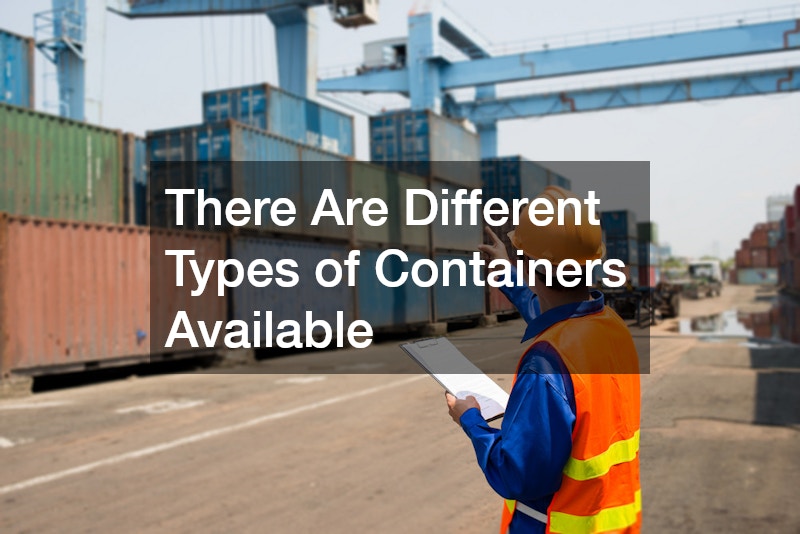
Once you’ve determined the purpose of your container, it’s crucial to consider the different types of containers available on the market. Standard containers are the most common and are perfect for general storage needs. For temperature-sensitive items, refrigerated (reefer) containers are a practical choice as they provide adjustable climate control. Open-top containers are suited for oversized goods that cannot be loaded through the narrow doors of a standard container. Each type serves unique use cases, allowing buyers to choose based on their specific needs.
Understanding the variations in container types also opens up opportunities for creativity in utilization. Mixing and matching different container styles can lead to innovative architectural designs, especially with non-traditional uses like homes or commercial spaces. Additionally, specialized containers like flat-rack and tank containers offer further possibilities for transporting machinery or hazardous fluids. These options widen users’ perspective on what’s achievable beyond traditional storage, injecting flexibility into potential projects.
Each container type has attributes that alter its practicality and cost, and it is wise to evaluate these before making a purchase decision. Price differences between container types can significantly impact your budget, especially if specific modifications are required later. Inspecting interaction hubs like container depots or consulting with suppliers allows new buyers to become familiar with what’s available. By making an informed decision about container types, buyers can enhance the project’s scope and ensure a purchase that aligns flawlessly with their vision.
Quality and Condition Assessment
Quality and condition assessment is another vital factor to consider when purchasing a shipping container. A thorough inspection is necessary to ensure that the container is structurally sound and free of significant defects. One should check for signs of rust, holes, or corrosion, which may compromise the container’s integrity over time. Additionally, inspecting the container’s doors, seals, and floors can prevent unforeseen issues that require costly repairs later. Investing in a quality container results in fewer obstacles during the conversion process, leading to greater project success.
Understanding the grading system of containers can also aid in evaluating their condition. Containers are graded based on factors like previous usage, repair history, and aesthetic qualities. A one-trip container, for instance, is almost brand-new and less likely to have defects compared to a container with multiple prior usages. Conversely, using modified or as-is containers requires careful assessment to ensure they meet the intended use without needing excessive alteration. Such knowledge empowers buyers to tailor their expectations and negotiate prices accordingly.
Buyers must also consider how the purchase location could affect condition evaluation as depot-stored containers generally show lower degradation. When dealing with ad-hoc or in situ storage, intensive scrutiny of these containers is essential. Taking videos or photographs during assessment provides documentation for comparison with the seller’s description. Engaging professionals for a more comprehensive inspection provides additional security and reassurance, and underscores that informed purchase decisions can be made confidently and competently.
Size and Specifications
The size and specifications of a shipping container are crucial aspects of the buying process that need careful consideration. Standard container sizes usually range from 20 to 40 feet in length, with varying heights such as standard or high-cube designs. Choosing the right size depends on factors such as the volume of items you need to store or the spatial constraints of your location. Prioritizing size considerations helps optimize the container’s applicability and enhances the ease with which it can be modified for diverse purposes. A well-sized container correlates directly with cost-effectiveness and operational efficiency in subsequent usage.
Beyond basic dimensions, some specifications need to be tailored to your needs. For example, venting or insulated properties can be pivotal, especially when housing sensitive goods. It’s also essential to think about load capacity and weight restrictions, ensuring the container meets these parameters when in use. Focusing on specifications that align with your needs saves you from investing in unsuitable modifications and reduces logistical challenges during deployment. Tailoring these aspects to specific objectives can facilitate smooth workflows and prolific results.
Considering size and specifications at the outset not only streamlines your operational model but also establishes broader cost-saving advantages. With precise calculations, potential overexpenditure on storage solutions is minimized. With varying or improper sizing, extra costs ensue for unloading goods, leading to unscheduled modifications or financial adjustments redirecting project progress. An upfront cautionary stance with a deliberate emphasis on correct sizing assures a seamless transition into container ownership, maximizing benefits, and minimizing pitfalls.
Budgeting and Financing Options
Budgeting and understanding financing options are fundamental steps in any investment process, including purchasing a shipping container. Buyers should start by estimating the costs associated with acquiring and modifying a container, factoring in the long-term expenses inherent to maintenance and legal compliance. Crafting a financial plan that covers both initial and auxiliary costs shields buyers from unexpected financial strain. Having a realistic budget also allows you to explore multiple pricing options and negotiate effectively, thereby securing a better deal. Consequently, informed budgeting leads to a smoother purchasing process and a more profitable investment.
Exploring financing options is equally important, especially when the upfront costs exceed immediate budgets. Some buyers may utilize personal or business loans to finance the acquisition, while others might seek dedicated financial services tailored to container purchases. Researching these avenues helps align financial resources with desired outcomes and brings the purchase closer to fruition. Seeking professional financial advice can further aid buyers in understanding each option’s risks and benefits, making financing both viable and strategic. By carefully considering financing avenues, buyers can embark confidently on their investment journey, ensuring their purchase does not become a financial burden.
Proper budgeting and financing extend beyond the purchase as they influence ongoing costs such as repairs, refurbishments, or expansion efforts. Buyers who have secured optimal financing solutions can allocate funds more efficiently towards enhancing container features, ensuring sustainability and functionality. Additionally, such financial foresight corroborates the significance of strategic long-term planning, negating possible barriers hindering future progress. A judicious approach to budgeting and financing assures that the investment remains fruitful and achievable, positioning the project for enduring success.
Where to Find Shipping Containers for Sale?
Online Marketplaces
One of the most accessible locations to find shipping containers for sale is through online marketplaces. Websites like eBay, Craigslist, and specialized container classifieds provide numerous listings from local and international sellers. These platforms offer buyers the advantage of comparing prices and exploring different container types from the convenience of their home or office. Buyers should exercise caution by verifying seller credentials and requesting detailed photos or videos of the containers. This caution ensures a transparent transaction and avoids potential scams or misleading promotions.
Online marketplaces also leverage customer reviews and ratings to help buyers make informed decisions. Checking feedback from previous buyers gives insight into the reliability and service quality of sellers. Engaging in online discussions or forums broadens this understanding and offers advice from seasoned buyers and sellers alike. This community support can be invaluable for newcomers who may not be fully versed in shipping container terminology or pricing structures. Ultimately, this shared knowledge pools empower buyers to maneuver confidently through the purchasing process.
Another feature that online marketplaces provide is communication channels that facilitate direct interaction between buyers and sellers. This streamlines the negotiation process, allowing for personalized queries and clarifications. Buyers can request customized specifications or modifications, ensuring the container meets precise requirements before purchase. This direct dialogue often uncovers unique offerings or enables exclusive deals. By exploiting the connectivity afforded by online marketplaces, buyers can effectively navigate the intricacies of container purchases, achieving satisfactory outcomes that align with their project needs.
Container Depots and Suppliers
Another option for finding shipping containers is through visiting container depots and contacting specialized suppliers. These locations offer a hands-on approach to purchase, allowing buyers to physically inspect containers and assess their condition beforehand. Supplier facilities often showcase a variety of options, making it easier for buyers to evaluate containers of different sizes, types, and conditions. This in-person inspection ensures that any visible damage or necessary refurbishments are noted before making an offer. Additionally, visiting depots fosters relationships with reputable suppliers who can provide ongoing support and advice post-purchase.
At container depots, buyers can benefit from exposure to industry expertise and guidance, enriching their understanding of potential container uses and modifications. Suppliers can advise on factors such as optimal size or specific features for custom projects. Building these connections also opens up opportunities for future transactions, including leasing or buying at discounted rates. Such sites provide access to surplus or bulk-buy options, appealing to buyers looking to acquire multiple units at once. With professional insight, buyers familiarize themselves with best practices and concepts pivotal for informed buying decisions.
Visiting depots and engaging directly with suppliers further supports transparent pricing negotiations. While market prices fluctuate, suppliers typically maintain stable pricing structures based on container grades and customization needs. By comparing prices across vendors, buyers can identify fair market assessments to fortify negotiating stances. Suppliers often offer discounts for long-term clients or seasonal promotions, adding further incentive to build cooperative industry relationships. These interactions cultivate trust, facilitating sustained, reliable partnerships throughout the lifecycle of the shipping container project.
Auctions and Liquidation Sales
Participating in auctions and liquidation sales is an avenue by which buyers may encounter substantial savings on shipping containers. Events hosted by firms looking to liquidate excess stock or relocate inventory frequently provide reduced pricing opportunities. Auctions typically sell decommissioned or surplus containers at rates significantly lower than standard market prices. Buyers should research upcoming local or online auctions to secure placement and prepare for live sale dynamics. Understanding auction formats and bidding strategies maximizes buyers’ chances of securing favorable deals.
While savings are often attractive, buyers should carry out diligent research to avoid potential drawbacks often associated with liquidation sales. Containers sold during these events may have been exposed to wear or neglected maintenance, demanding further repairs or refurbishments. Therefore, assessing auction listings comprehensively, consulting with professionals, or requesting condition reports guards against unexpected defects. Resourceful decision-making underpins effective auction participation, aligning choices with calculated risks and compensatory savings.
The competitive nature of auctions energizes the purchase process and enables adaptive exploration of market opportunities. Engaging with fellow participants and auction coordinators broadens insight into emerging container trends and pricing inflations. Industry insights acquired through these engagements can enhance buyer forcibility when juxtaposed with strategic parametric adjustments. Auctions foster historically informed buying decisions, adding dynamism to the market interaction model. Buyers who harness this environment’s potential often emerge with quality shipping containers at remarkable prices.
Networking with Businesses
Networking with logistics companies and shipping firms presents another effective strategy for acquiring containers. Businesses often possess an excess inventory of containers due to residual trading cycles or internal operations, creating opportunities for discounted sales. Initiating partnerships or communication with these organizations can lead to acquiring high-quality containers for a reasonable investment. Buyers benefit from discussing long-term rental or purchase options that support their project objectives or operational timetables. An open interaction strategy elevates traditional purchasing models, introducing flexibility and opportunity.
In leveraging business networks, conducting direct interactions absorbs insider knowledge and imparts an understanding of on-ground operations. Partner companies may benefit from such collaborations, creating mutually symbiotic relationships spanning shipping requirements or logistical support solutions. This cooperative dynamic enables benefiting from operational efficiencies, enhancing overall efficacy. Encouragement of open informational exchange elaborates opportunities that persist post-purchase, enriching overall dealings and fostering fiscal predictability.
Building firm partnerships fortifies consistency in quality assurance and enhances purchasing leverage. Repeat business interactions privilege buyers with tailored service offerings and foster deeper engagements during each transactional stage. Tapping into business networks enables access to introductions beyond initial connections, expounding collective knowledge through novel exchange formats. This environment elevates awareness and practical engagement, granting buyers a pragmatic advantage in accessing shipping containers. Building networks with industry players fosters beneficial dialogues and lucrative deals, fortifying secure, streamlined container acquisition processes.
Government and Military Surplus
Exploring surplus sales from government or military sources is another viable avenue for purchasing shipping containers. These entities frequently upgrade or decommission storage units, subsequently offering them to the public through surplus auctions or sales. Containers acquired this way may require additional refurbishments but often come with a lower price tag, offering potential cost-saving benefits. When researching such opportunities, attending and participating in government auctions or registering interest through official portals can secure ideal purchases. Navigating public-sector surplus sales demands preparation and an understanding of procurement procedures.
Engagement with governmental auctioneers or military surplus supervisors provides insight into regulations underpinning these sales channels. Each procedure often includes stipulations or requirements that preclude certain competitive advantages or dictate purchase terms and conditions. Therefore, comprehensive prior research ensures that buyers are adequately equipped to participate within established parameters. This due diligence paves the way for informed bidding, optimizing chances for secure and cost-efficient container acquisition that supports project goals or storage objectives.
Through reputable government and military surplus transactions, buyers gain access to robust containers built for stringent standards in transport or defense environments. While surplus units may showcase slight aesthetic scrapes or require minimal refurbishments, their operational durability remains uncompromised. These sales appeal to buyers eager to acquire containers engineered for resilience, ensuring security when deployed in various settings. Interactions and anticipatory research accredit these procurement strategies to compliant, advantageous container acquisitions enshrined in structured frameworks.
What Are the Legal Requirements?
Local Zoning Laws
Understanding local zoning laws is paramount when considering the purchase of a shipping container for repurposed use. These regulations dictate how land within specific jurisdictions can be used, potentially affecting where and how containers can be placed or utilized. Before purchase, buyers should familiarize themselves with zoning rules applicable to their area, particularly if the container will serve as a residential or commercial establishment. Engaging with local zoning authorities provides clarity on permissible activities and any necessary adjustments to intended usage. This understanding guards against noncompliance and ensures smooth implementation of shipping container projects.
Compliance with zoning laws extends beyond simple approval and requires prospective understanding of potential community impacts. Using containers for storage or business operations might have implications for neighbors and general infrastructure, necessitating thoughtful site planning. Buyers are encouraged to explore any restrictions on container size, placement, aesthetic appearances, or noise-related disturbances. Discussing these points transparently with authorities and adjoining property owners cultivates mutual understanding, minimizing unforeseen legal complications or interventions. Proper alignment of planning with zone-based directives creates a legally sound foundation for container operations.
Zoning laws often vary significantly between urban and rural areas, thereby affecting procedural nuances and stringent enforcement levels. Buyers deploying containers in diverse locales should likewise be aware of regional variances, understanding that each area commands separate permissions and equivalent due diligence. By planning accordingly and considering surrounding guidelines, container placement aligns seamlessly with broader land-use schemes. This guidance fosters congruent integration, preventing disputes or financial penalties linked to zoning discrepancies, enriching goal-oriented container applications attuned to legal regulations.
Permits and Approvals
Acquiring the necessary permits and approvals is a crucial step in legally deploying a shipping container for personal or operational use. Permitting requirements vary widely based on the intended purpose, whether for storage, habitation, or business activities, and jurisdictional requirements. Identifying the needed permits early in the planning phase ensures adherence to legal standards and facilitates a smooth transition from purchase to use. Contacting local government offices or visiting community regulatory websites provides comprehensive instructions on the specific permits required. This proactive approach guards against costly legal obstacles that could delay or halt projects.
Collaborating with professional contractors or legal consultants familiar with building codes and permit processes further alleviates compliance challenges. Such expertise offers valuable insights into application submission, documentation preparation, and protocol adherence. In some cases, these professionals can expedite approval timelines or circumvent administrative bottlenecks. Engaging them at the project inception phases optimizes procedural planning, delivering timely advancement of container deployment initiatives. Buyers benefit from sustained compliance assurance backed by regulatory endorsements attained through informed permit negotiation.
Permit requirements also impact container modifications, particularly if converting them for residential or workspace purposes. Construction adjustments, such as adding windows or electrical systems, may necessitate detailed building plans submitted to local authorities. Following these protocols guarantees public safety and alignment with regional construction norms. Acquiring all relevant permissions before modifying containers mitigates violation risks, fostering uninterrupted conversion processes. Buyers can then concentrate efforts on fulfilling original concept frameworks, assured that legal prerequisites accommodate project visions seamlessly and robustly.
Transportation and Delivery Regulations
Compliance with transportation and delivery regulations is integral to the successful acquisition and setup of a shipping container. Regulations often encompass safety protocols associated with container transport on public roads or highways, mandating specific permits or vehicle adjustments. Buyers should acquaint themselves with regional transit laws and insurance requirements ensuring safe container handling and responsibility acknowledgment. Consulting with transportation agencies or logistics providers offers comprehensive advice on statutory compliance tailored to specific transit routes or destination demands. Adherence to these guidelines demonstrates organizational dedication to responsible container management.